

Words by Cameron Cox
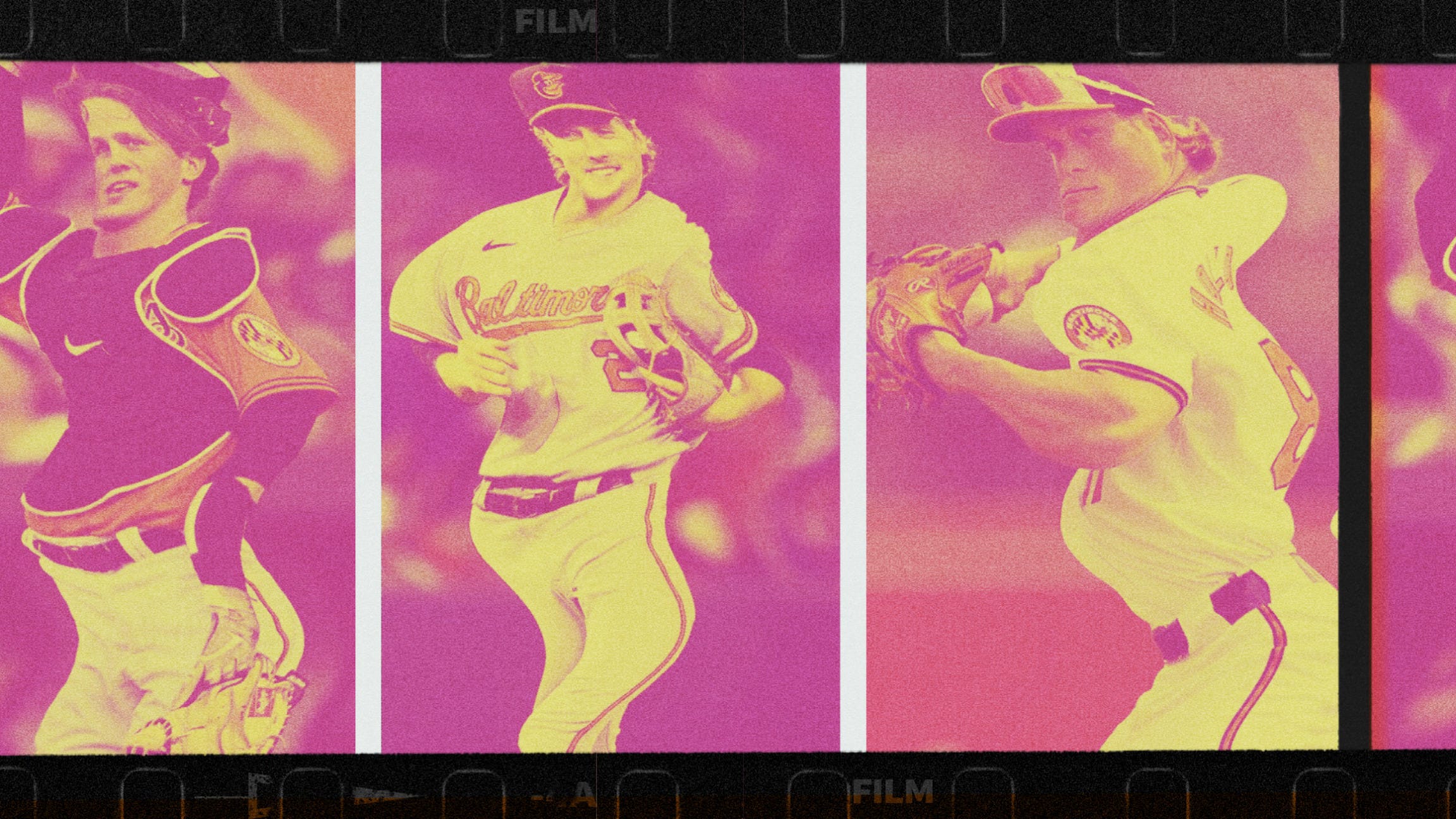
From number one farm system, to number one seed, to baseball’s number one disappointment when it comes to what a successful rebuild looks like — the 2026 Baltimore Orioles are the frustrating end to what was once believed to be a generational rebuild, all in the span of four years.
In an unprecedented three years in a row, the Orioles produced baseball’s top prospects, including Adley Rutschman, Gunnar Henderson, and Jackson Holliday. As we look at it now, Rutschman is gone, Gunnar has had a rollercoaster of production, and Holliday can’t find his footing in the big leagues. None of the prospects have lived up to what fans or the organization expected.
Even the second crop of top prospects — players like Colton Cowser, Heston Kjerstad, and most recently Samuel Basallo — have seen major regression since their initial taste of the big leagues. What has changed between these players’ time in the minors, their initial success, and their rapid regression? It stems from a number of things: the minor league philosophy of moving players around to different positions, juggling the lineup based on pitching matchups, and yo-yoing prospects up and down at the first sign of big league struggles. This core has come up through the minors in full view of fans, and this is not how this rebuild was expected to go.
The Draft Philosophy Problem
Starting with the drafting philosophy: the Orioles have had a tendency to draft left-handed bats to play the dimensions of the ballpark in their favor. That philosophy isn’t the problem on its own, but it can’t be paired with a group of all-or-nothing type hitters, nor can the organization’s best all-around hitters be turned into pull hitters. Henderson, Cowser, Kjerstad, and Holliday have all fallen victim to this trend.
Kjerstad’s draft profile was the all-or-nothing slugger teams hope can turn into a Kyle Schwarber type. Unfortunately, he missed time due to a heart condition shortly after being drafted, and the hole in his swing never closed, nor did his plate discipline. He’s on track to be a fourth outfielder — the first true example of a flawed rebuild.
The organization tried to right their wrongs to an extent, with more right-handed hitting selections in Vance Honeycutt and Wehiwa Aloy, along with polished left-handed hitter Caden Bodine.
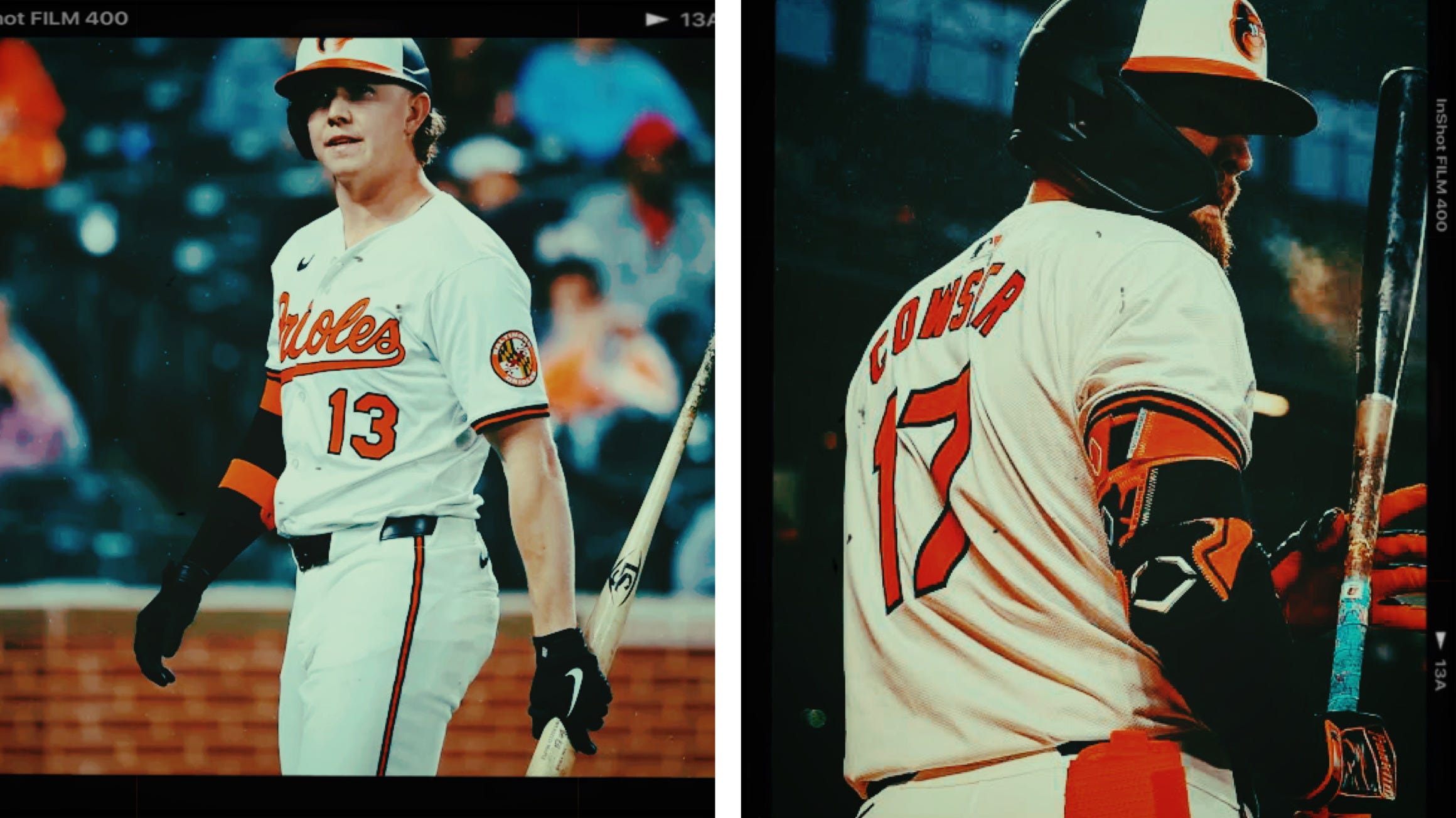
Henderson and Cowser: From Rookie of the Year Finalists to Regression
The decline of Henderson and Cowser has been very concerning, because both finished first or second in Rookie of the Year voting, and within a couple of years they look far from that form. Gunnar’s decline looks as if he’s swinging for the fences on every pitch instead of using the whole field like he did when he first came up. Cowser has had similar issues, for someone who was projected as a gap-to-gap type hitter. Both of their swings have changed, their approaches have changed, and their flaws are being exposed.
Holliday’s Stall
Holliday’s struggle has been the most concerning of all. With the lineage of a major leaguer, and as a hitter who looked leaps and bounds ahead of his class, he’s stalled out from that number one prospect ranking. During his most consistent big league stretches, Jackson focused on making solid contact, using the entire field, and not chasing pitches. There was a rumor that his father helped fix his swing, and it’s starting to look close to what it did in the minors — but the real issue appears to be a lack of consistent at-bats and the difficulty of working through major league struggles without that consistency.
The Yo-Yo Effect: Up and Down Bus Trips
The up-and-down bus trips for young players aren’t good for their overall confidence. Too often, these youngsters get a taste of the big leagues, only to get optioned down and lost in the shuffle of lineup platooning.
Last spring training, Jackson Holliday was tearing the cover off the ball, only to get sent down to Triple-A to start the season because “he needed to work on hitting lefties.” It was likely service time manipulation, and it has clearly had lingering effects. He’s never regained that swing consistently and has looked far from a number one prospect. More players in the system could follow this same trend.
This has even taken place with the pitching staff, and the main victim has been Cade Povich, who has been on that constant bus ride between Baltimore and Norfolk since his big league debut.
What Do the Orioles Do From Here?
At the time of writing this, the organization just parted ways with Matt Blood, a longtime baseball ops staffer who most recently held the role of Director of the Farm System — so there may be a shakeup coming in player development philosophy.
The organization needs to get back to a balanced, revitalized, old-school approach: have players consistently play set positions and let the game play out. Other than Pete Alonso and Basallo, the team should prioritize getting on base by any means possible over trying to hit the long ball. Valuing guys who can get on base and wreak havoc — a player like Enrique Bradfield Jr. — can win you games with small ball.
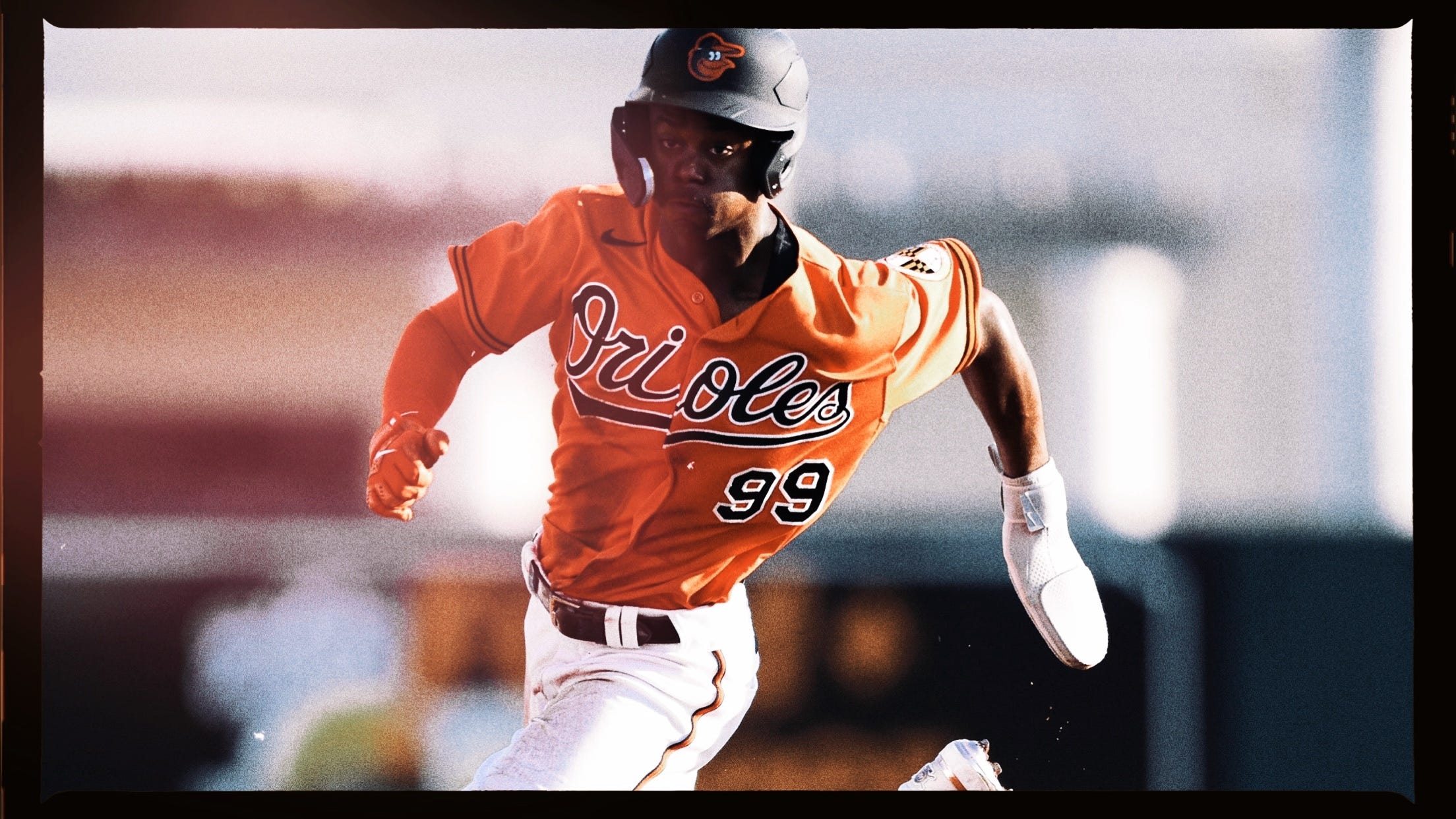
The Orioles have pivoted and restocked the arm talent in the lower levels. Pitching-wise, the Orioles landed a good haul from the Red Sox, headlined by Anthony Eyanson — the organization’s top pitching prospect and the 7th-ranked right-handed pitching prospect overall — along with Kyson Witherspoon, a former first-round pick. In addition to those two, the lefty duo of Joseph Dzierwa and Caden Hunter have both just emerged as top-100 prospects. The Double-A Baysox could give us a glimpse of the new rotation set to arrive in the next few years.
This year’s first-round pick, Eric Booth Jr., shined in his introduction to professional ball by hitting a solid .284 with a .390 on-base percentage. The kid looked unbothered during his Low-A debut, and he projects as an above-average major league hitter if he keeps the same approach he’s had and makes the professional adjustments needed along the way.
By the Numbers
The Orioles are third in the league in strikeouts, twenty-fifth in total hits, and twenty-seventh in runs. That’s not a good combination for winning baseball, especially when the pitching staff has been subpar in most categories and the team is top five in errors. The Orioles need to get back to old-school baseball — pitching, defense, and timely hitting — and that starts down on the farm.
Words by Cameron Cox
As a Met fan, The Mets could also use the same formula, go old school with better defense, pitching and timely hitting.
I actually think the Mets may be using the same analytical approach as the Orioles.
Which has also failed them!
If someone read me this article and didn’t tell me the name of the team the article was about, I would swear the article was about the Mets organization
Really good read here! Really enjoy the writing! First hand honest opinion of a broken organization. Looking forward to the next article.